NGO Agency for Cultural Resilience (ACURE) 2025

2025 was a year of intensive work

АНОНС ДЛЯ ЗМІ

 
NGO Agency for Cultural Resilience (ACURE)
 
 
2025: A Year of Action, 
Responsibility, and Growth
 
 
For ACURE, 2025 was a year of intensive work, heightened responsibility, and institutional growth.
We operated under conditions of constant risk and instability – shelling, power outages, staff shortages, and emotional burnout. These challenges sharpened our focus on what mattered most: rapid response, emergency protection of cultural heritage, and strengthening local capacities to withstand crisis.
 
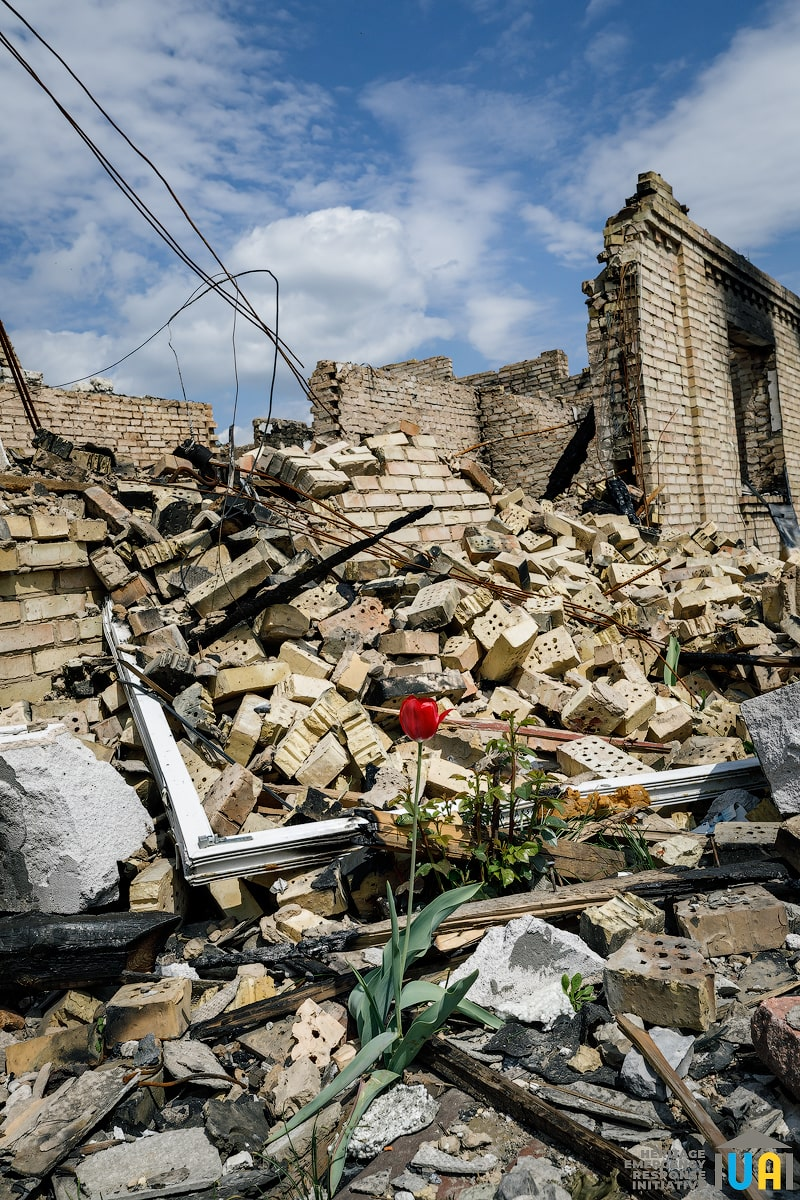
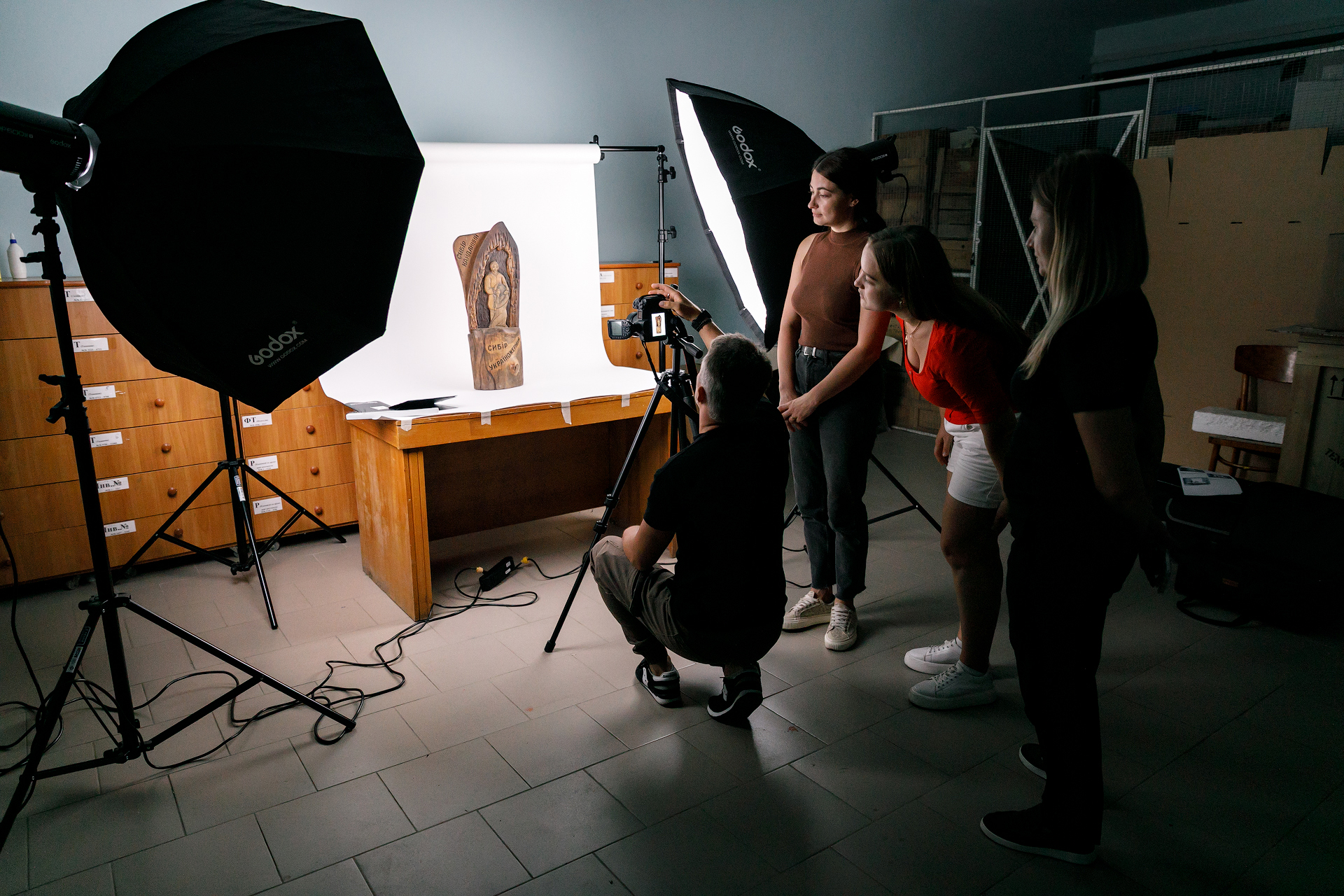
Throughout the year, ACURE concentrated on providing emergency assistance to cultural heritage sites under threat or damaged by the war. Our work encompassed damage and risk assessments, emergency stabilization interventions, and support for the protection, evacuation, and stabilization of museum, archival, and library collections. At the same time, we invested in training cultural heritage first responders, developing national and regional response networks, advancing digital tools for memory preservation, and expanding cultural diplomacy.
 
Our key priorities in 2025 were:
  • transitioning from ad hoc interventions to more systematic approaches to emergency heritage protection;
  • combining hands-on rescue operations with training, knowledge transfer, and professional community building;
  • strengthening international cooperation and deepening trust among partners and donors;
  • preparing for work in de-occupied territories through the establishment of reserves of materials, equipment, staff and logistical capacities.
Above all, 2025 reaffirmed a core conviction: preserving cultural heritage is not only about safeguarding material assets – it is about people, memory, and the resilience of society itself. Guided by this understanding, we continue to move forward.
KEY ACHIEVEMENTS OF 2025
Emergency Assistance and Rapid Response
 
 
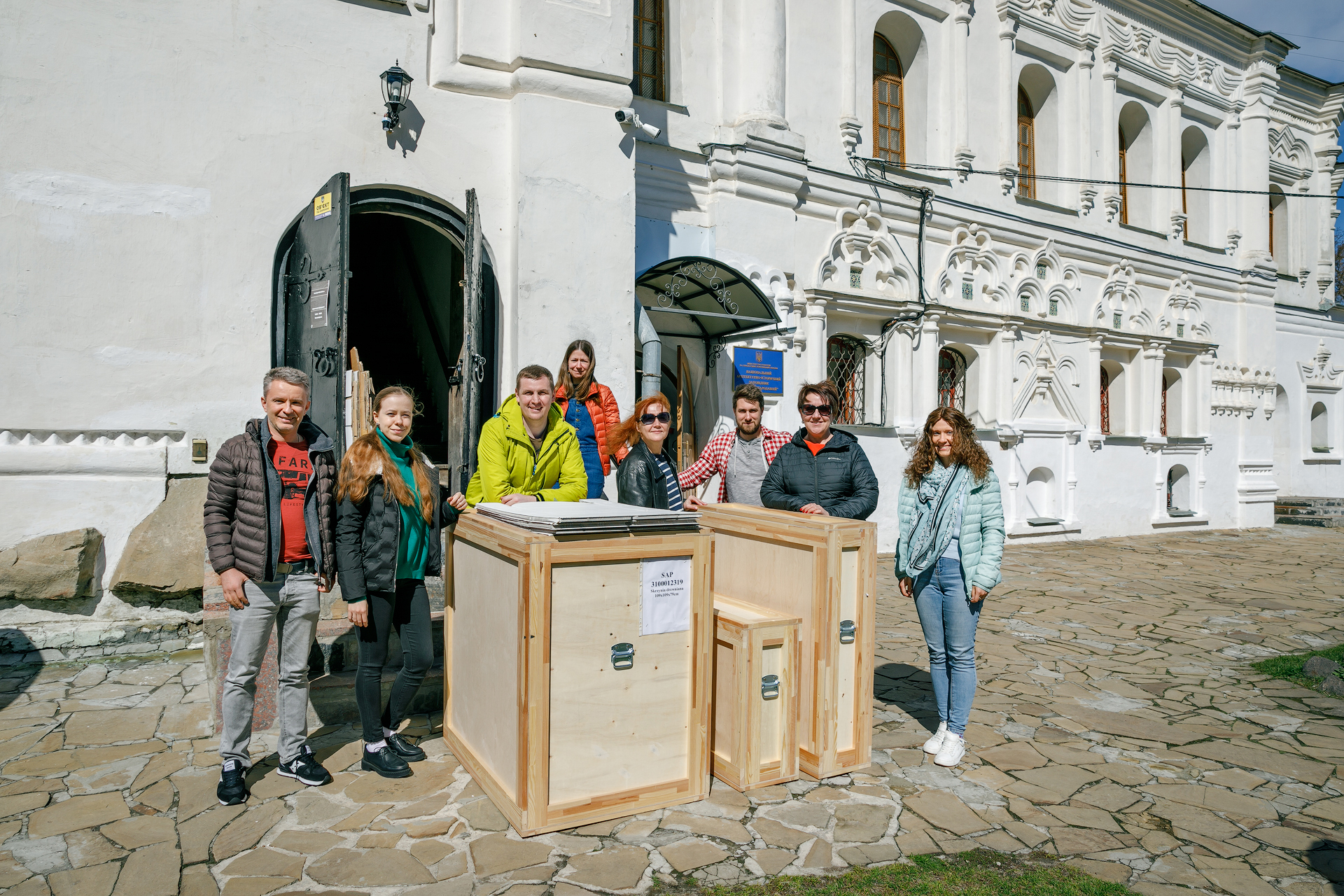
ACURE completed an emergency assistance project supporting cultural heritage sites affected by the destruction of the Kakhovka Hydroelectric Power Plant (with support from ALIPH). The project provided essential material and technical assistance to cultural institutions impacted by flooding and subsequent damage.
 
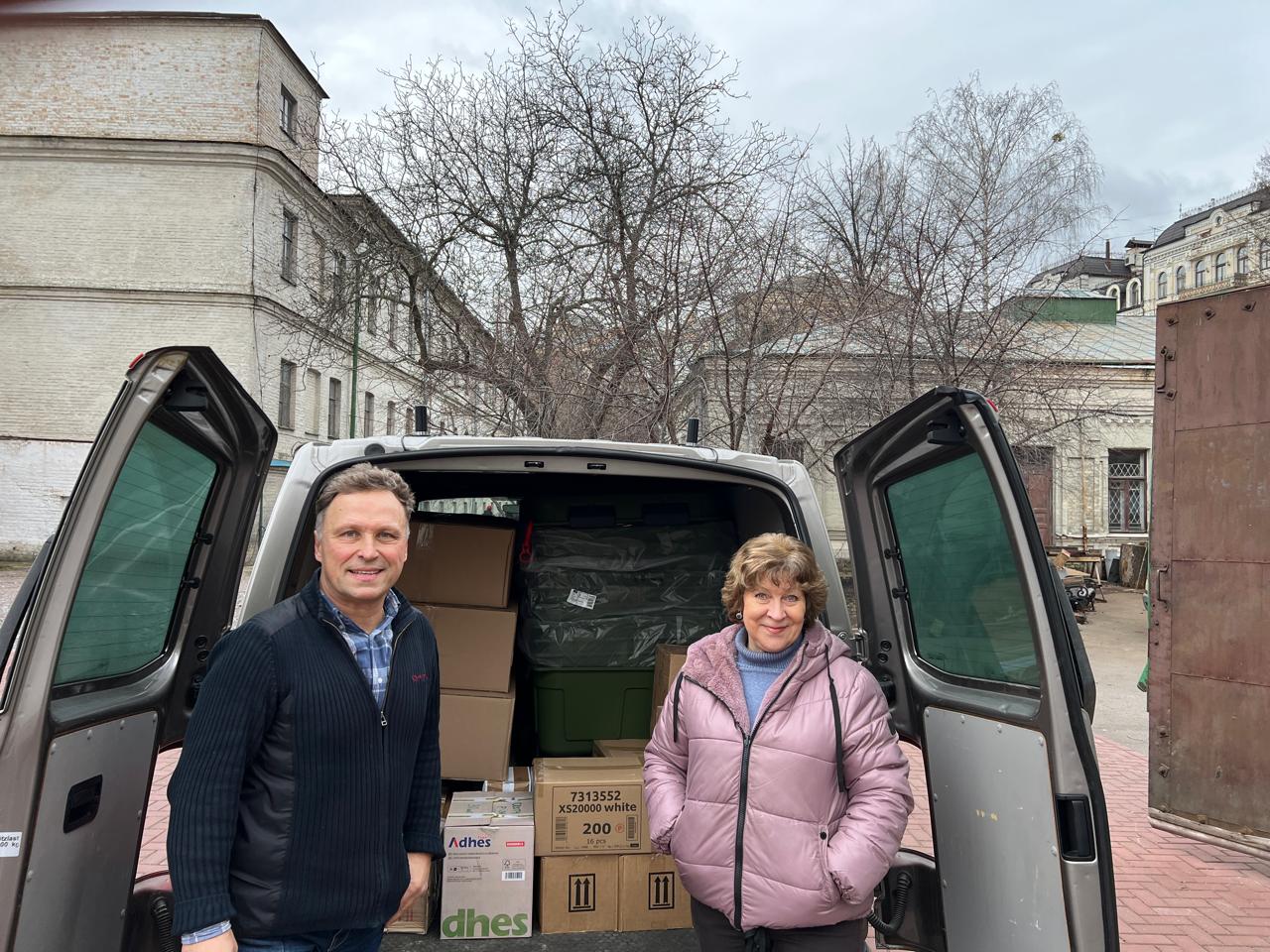
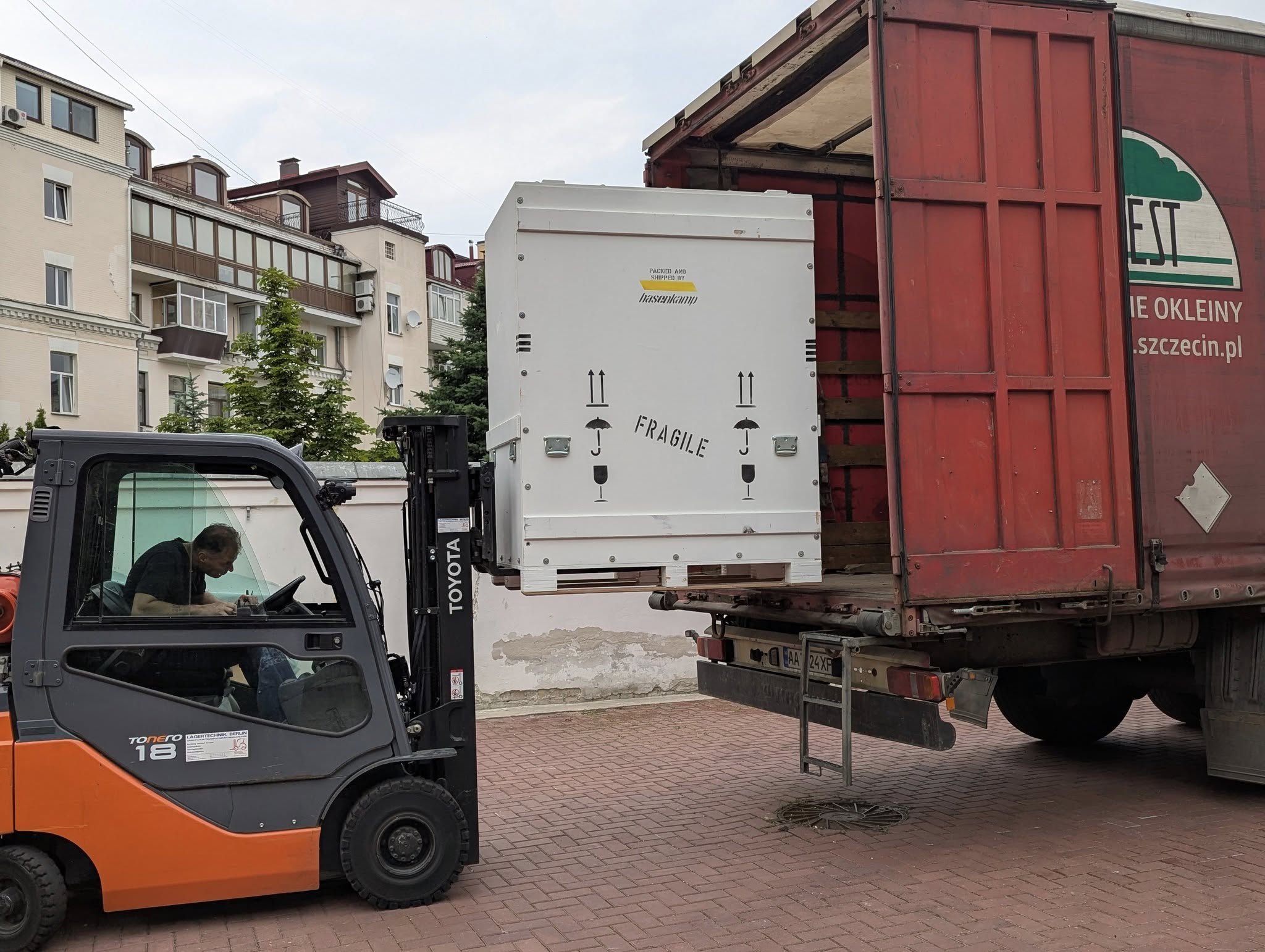
We procured and distributed equipment to stabilize collection storage conditions, including dehumidifiers, bactericidal lamps, and pest-control solutions. Materials and equipment were also supplied to cultural institutions under immediate threat or damaged by hostilities.
 
To ensure preparedness for future recovery efforts, ACURE established a reserve of materials and equipment intended for rapid deployment following the de-occupation of territories. The National Cultural Heritage First Aid Team, operating under the First Aid to Cultural Heritage (FAC) methodology, was reactivated and strengthened.
Protection and Stabilization 
of Cultural Heritage Sites
 
 
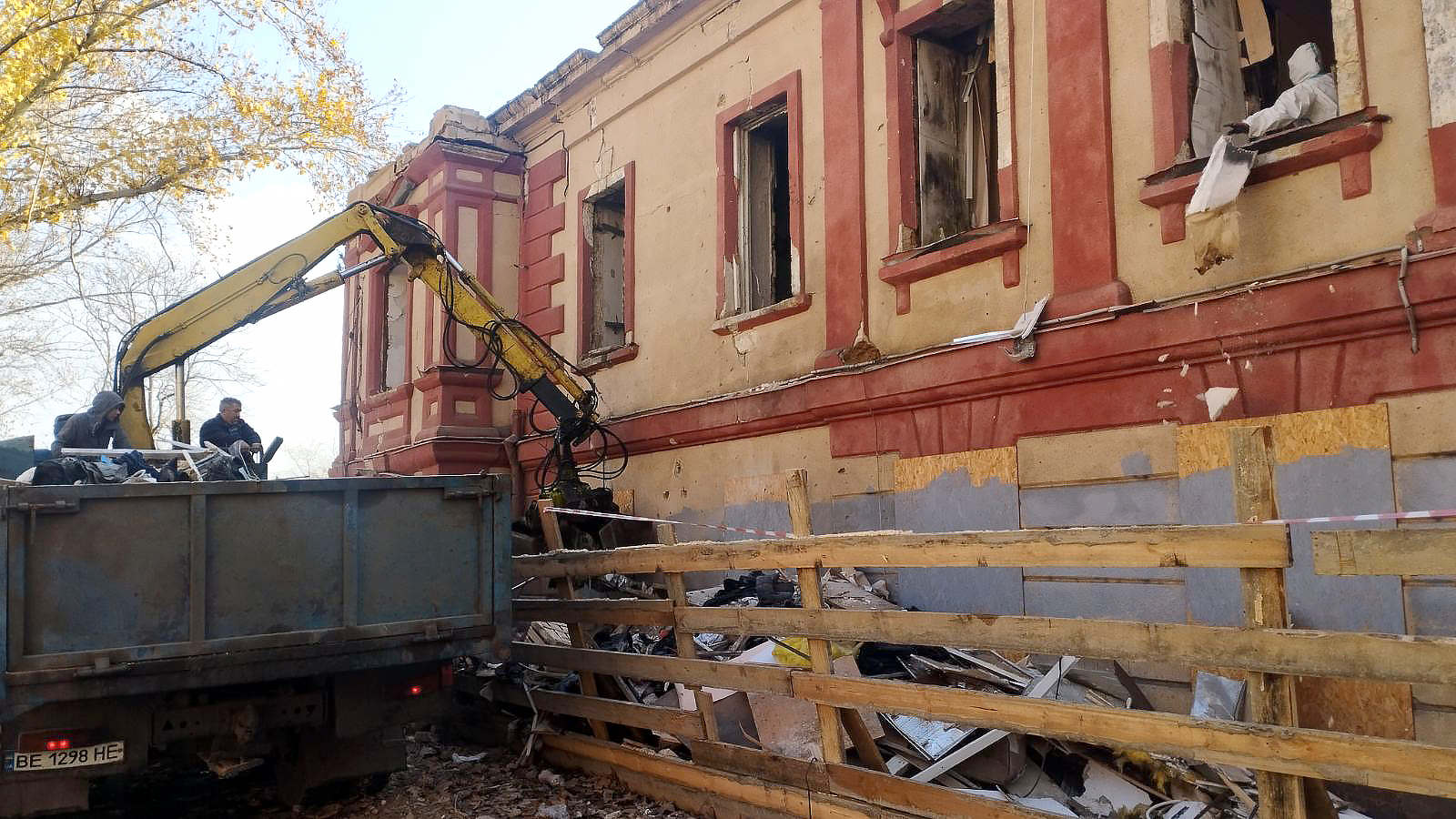
In 2025, ACURE carried out emergency and stabilization works at cultural heritage sites in Kyiv, Zhytomyr, Mykolaiv, and Kherson regions. Key interventions included:
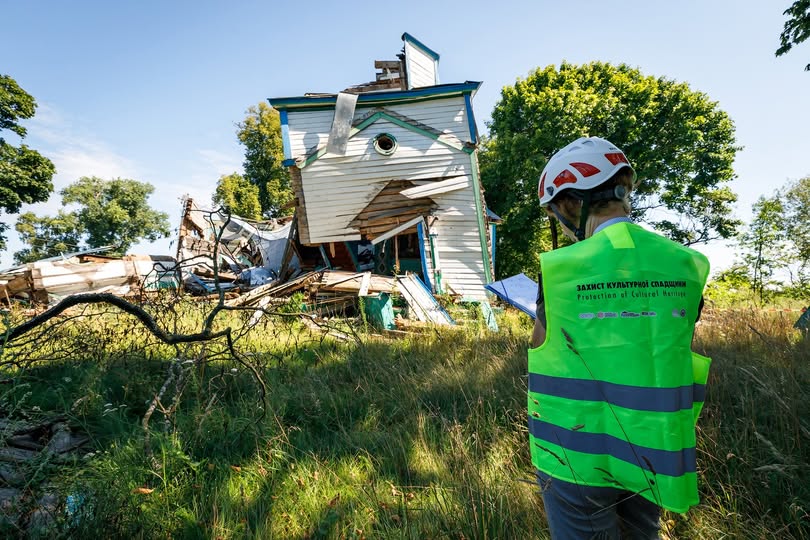
  • Church of the Nativity of the Blessed Virgin Mary (Viazivka village, Zhytomyr region): implementation of urgent stabilization measures (with UNESCO support, in partnership with the Ministry of Culture and Strategic Communications of Ukraine and the Narodychi Settlement Military Administration).
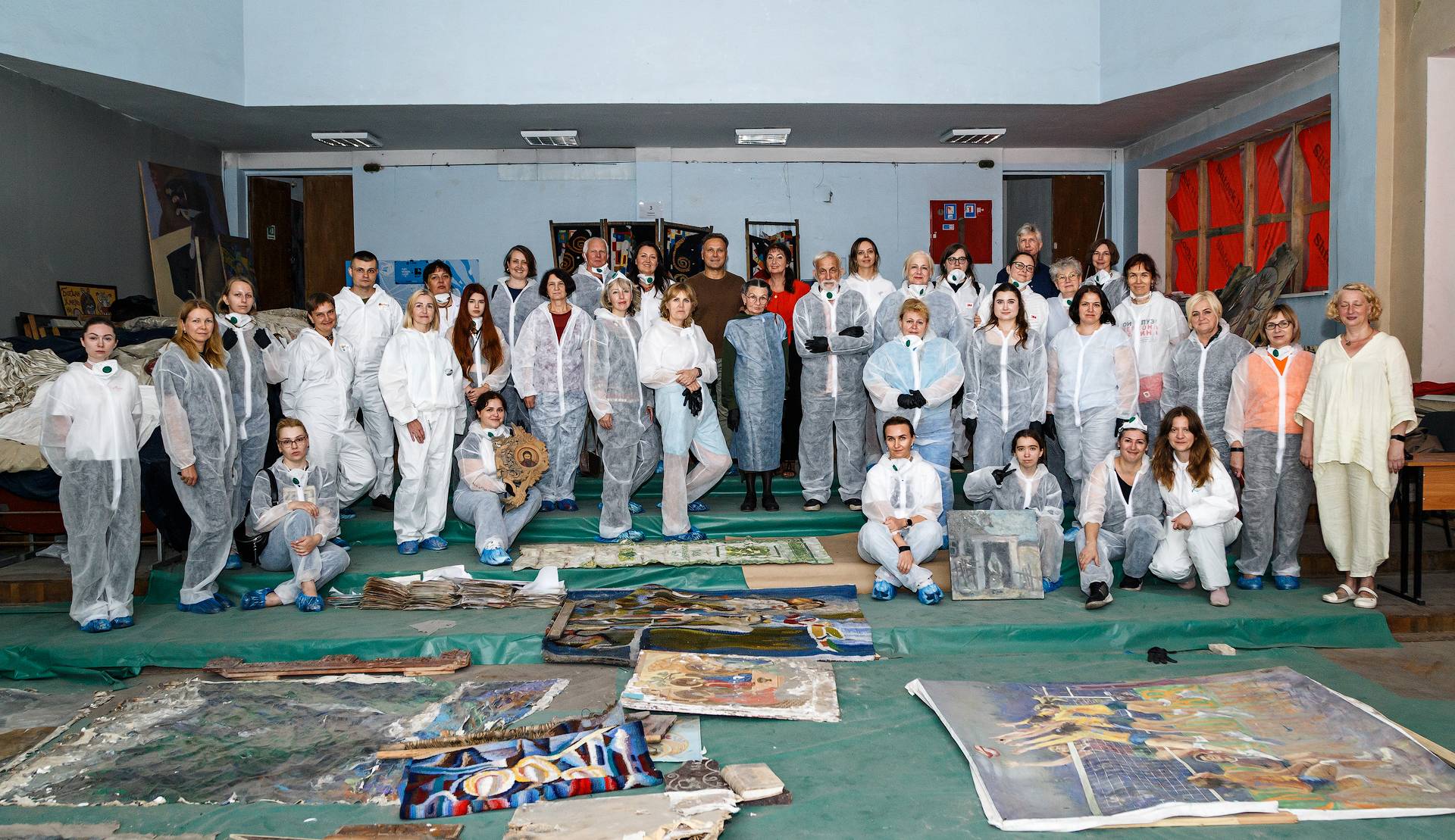
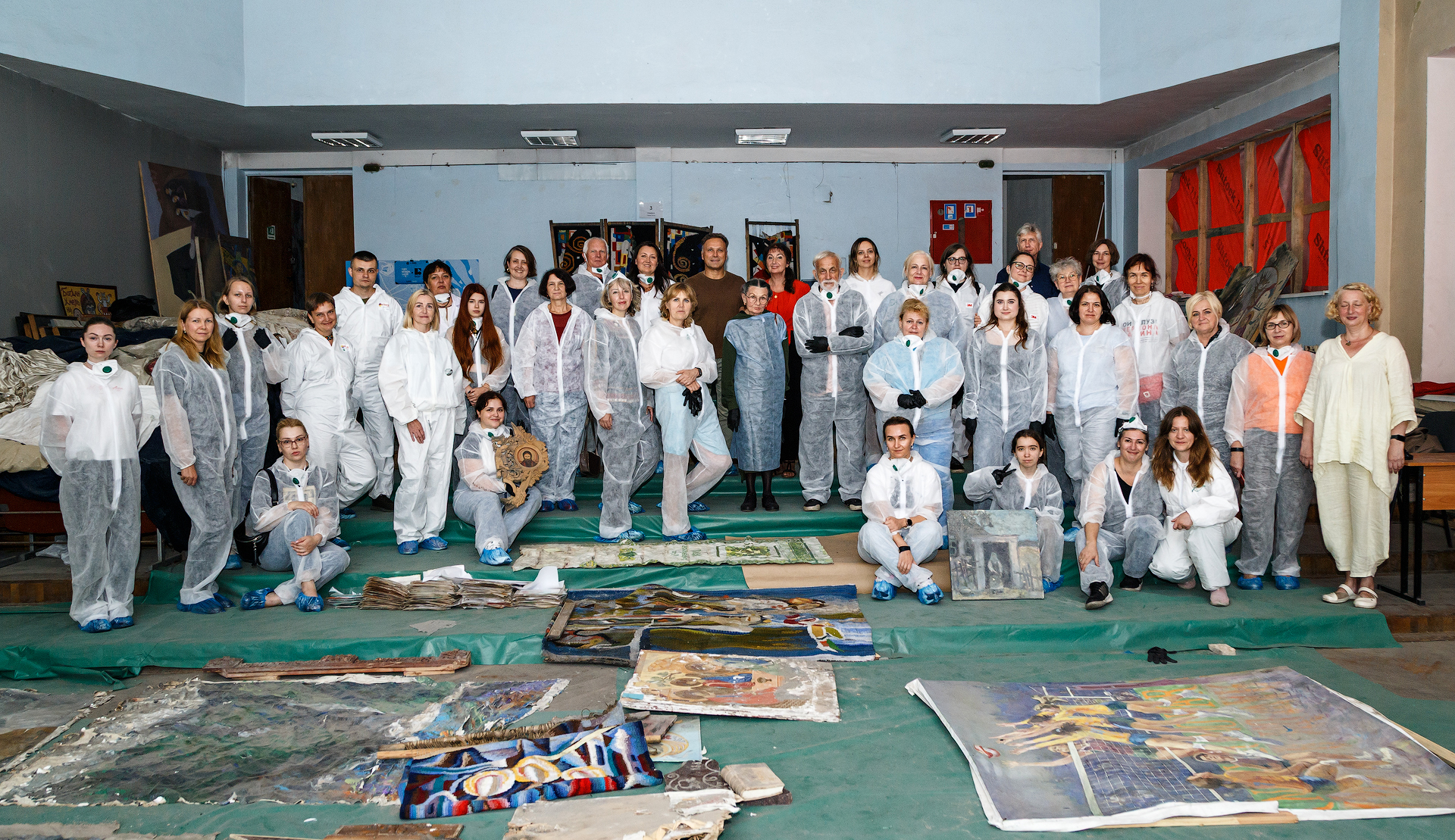
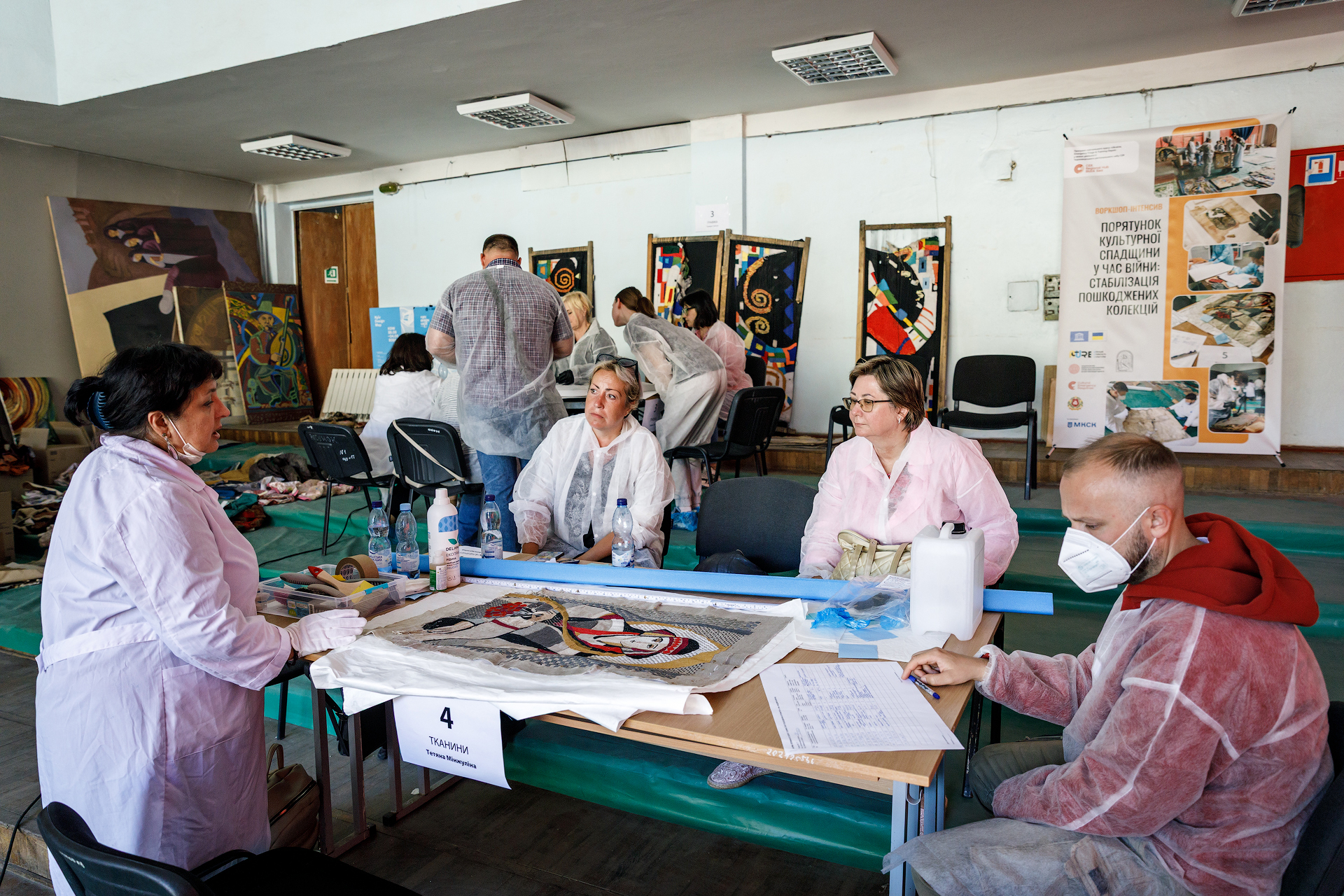
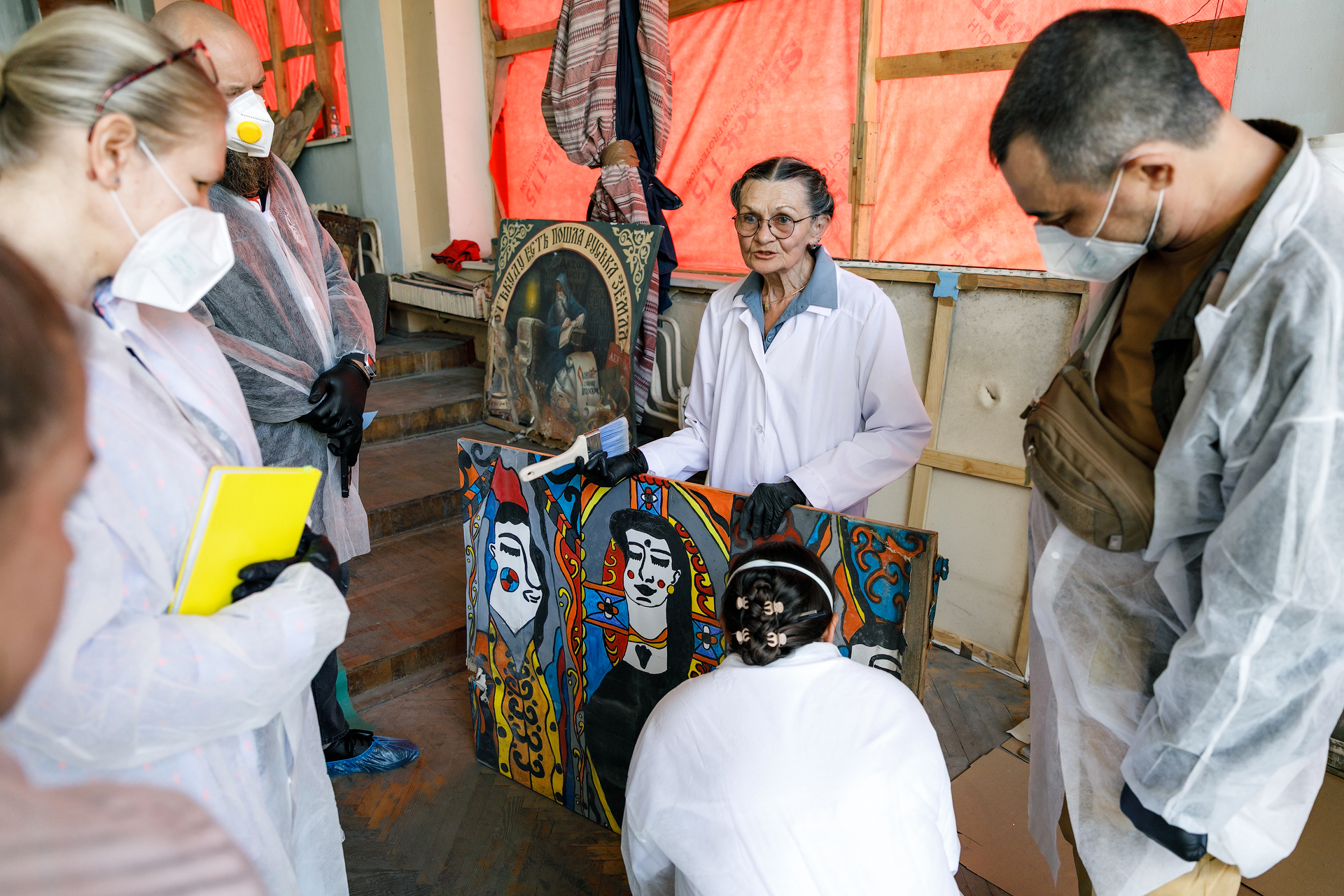
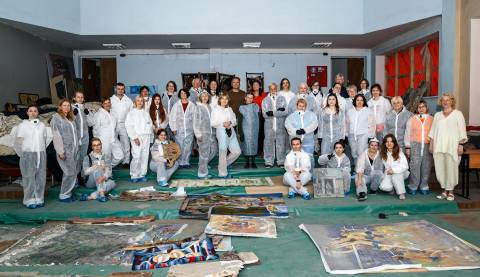
  • Mykhailo Boichuk Kyiv State Academy of Decorative and Applied Arts and Design: emergency rescue, documentation, and stabilization of movable cultural property damaged by a missile strike (with UNESCO support, in partnership with the Ministry of Culture and Strategic Communications of Ukraine, the National Research Restoration Centre of Ukraine, and the Maidan Museum).
  • Six historical and architectural monuments in Mykolaiv and Kherson regions – including sites in Mykolaiv, Huryivka, and Vysokopillia – where stabilization and protective works were carried out with support from the U.S. Ambassadors Fund.
Damage and Risk Assessment
 
 
ACURE conducted field missions to assess damage and risks at more than 
20 cultural heritage sites, with the support of the Cultural Heritage Protection Unit of the Territorial Defense Forces (CPP-Unit). Advanced documentation techniques – including laser scanning, photogrammetry, and photo and video recording – were applied at over 20 sites, with support from the U.S. Ambassadors Fund and The Ukrainian Museum in New York.
Training and Capacity Building
 
 
Capacity building remained a cornerstone of ACURE’s work in 2025. Key activities included:
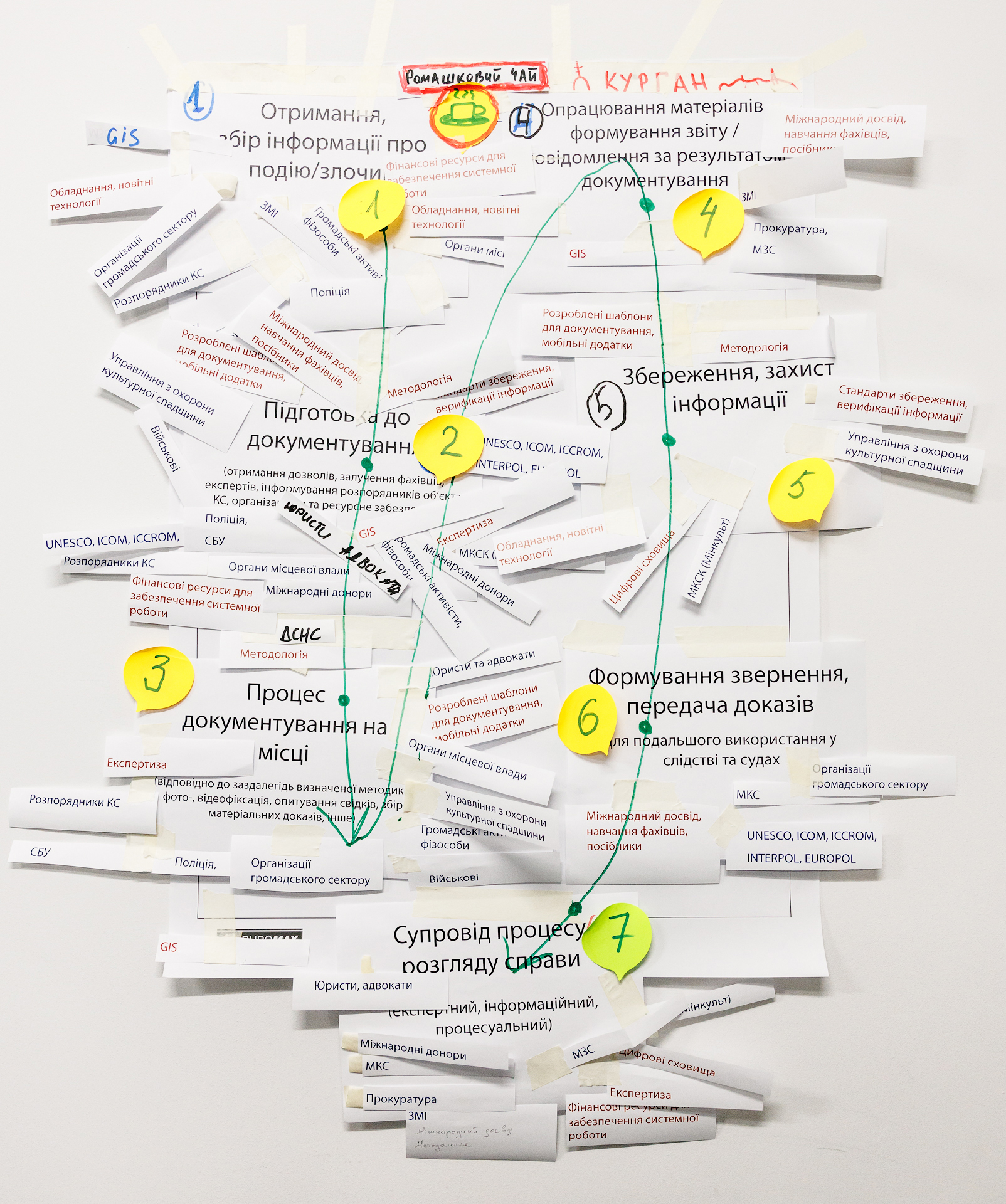
  • Two trainings on documenting crimes against cultural heritage: “Collecting and Analyzing Evidence of Crimes Against Cultural Heritage” (supported by Cultural Heritage without Borders, Swedish Institute, Atrocity Crimes Advisory Group for Ukraine, CER, DutchCulture, and the Maidan Museum).
  • Co-organization of the 38-month international ICCROM training program “READY – Resilience for Heritage in the Face of Disasters, Climate Risks, and Complex Emergencies” (Riga, Latvia).
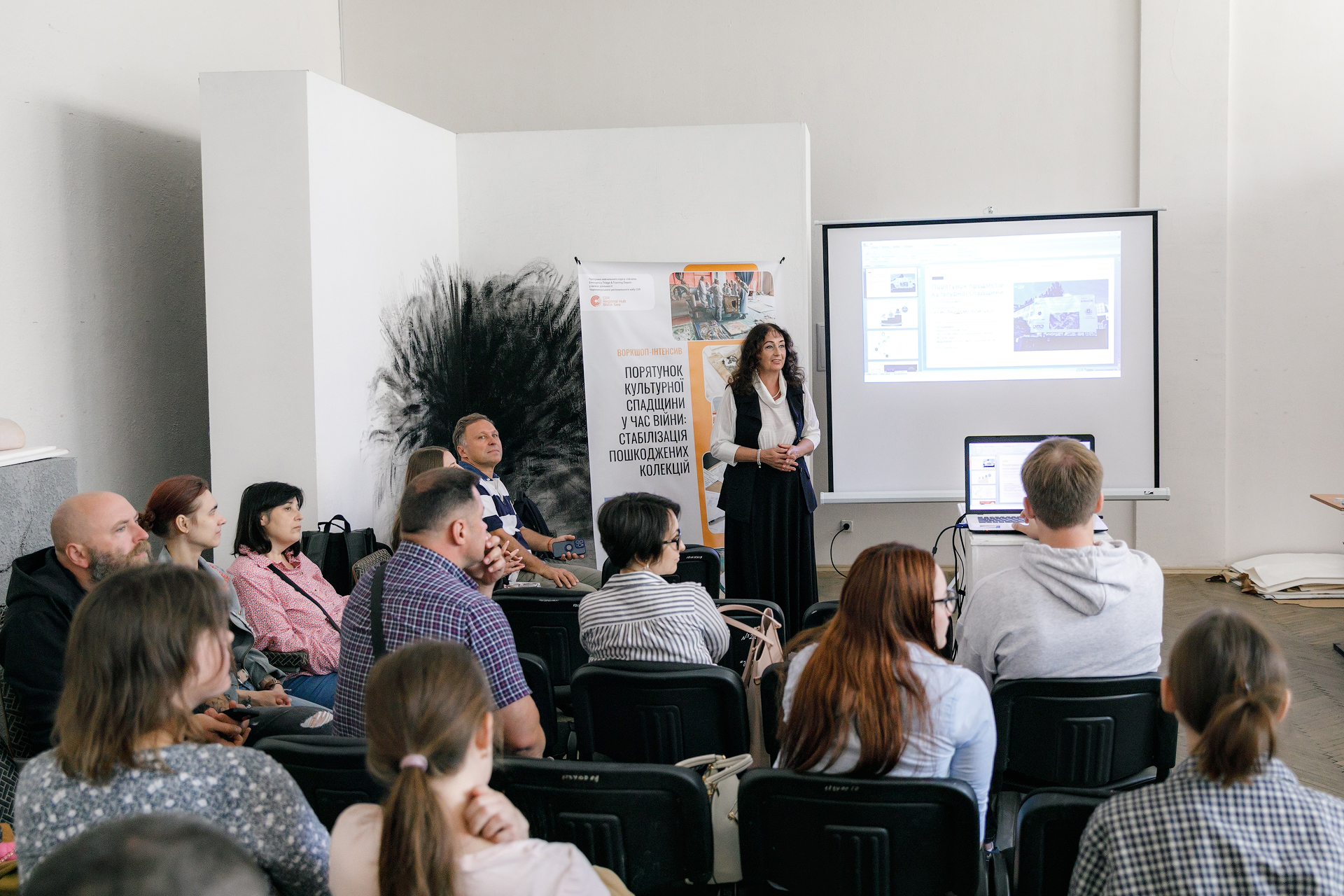
  • Two intensive workshops “Saving Cultural Heritage in Wartime: Stabilization of Damaged Collections of the Mykhailo Boichuk Academy” in Kyiv (with UNESCO Ukraine support and in cooperation with CER, the Maidan Museum, the Academy, the Ministry of Culture and Strategic Communications of Ukraine, and the National Research Restoration Centre).
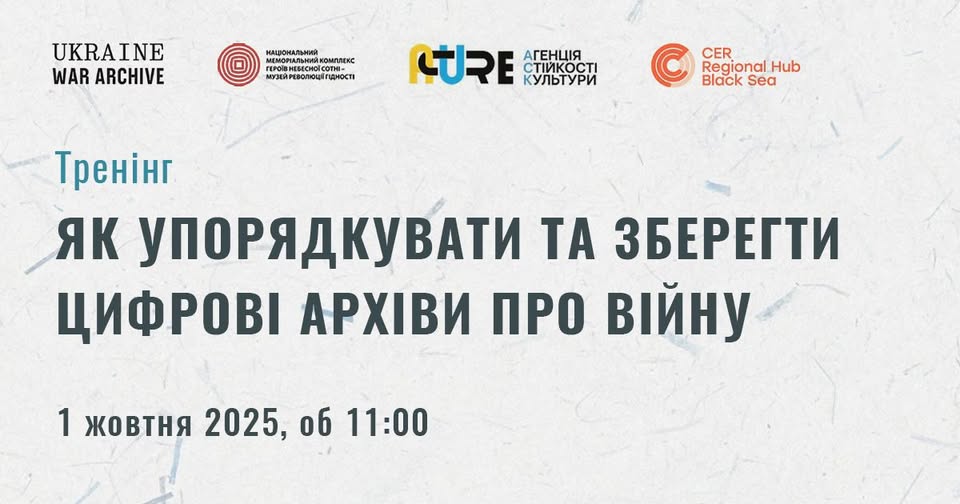
  • Two trainings “How to Organize and Preserve Digital Archives of War” (supported by CER and Mondriaan Fonds, in partnership with the War Archive and the Maidan Museum).
  • Two emergency heritage protection trainings within CER’s “Guardians of Cultural Heritage” course (organized by Museum for Change NGO and the Odesa National Fine Arts Museum).
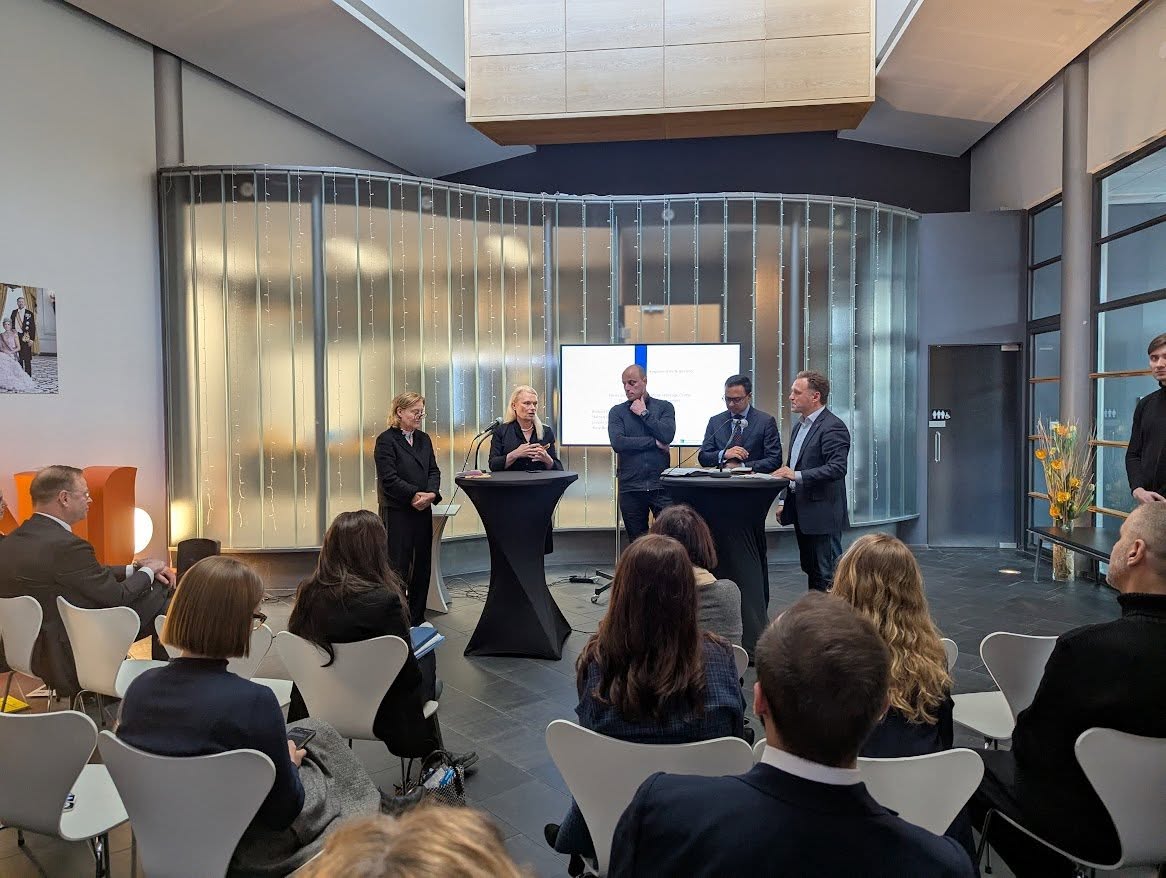
  • Participation in a working meeting of Blue Shield International leadership with representatives of Ukraine’s cultural sector.
  • Participation in OSCE training on combating illicit cross-border trafficking of cultural property.
  • Training sessions for cultural property protection units of the French Army (Delpat) and the Armed Forces of Ukraine.
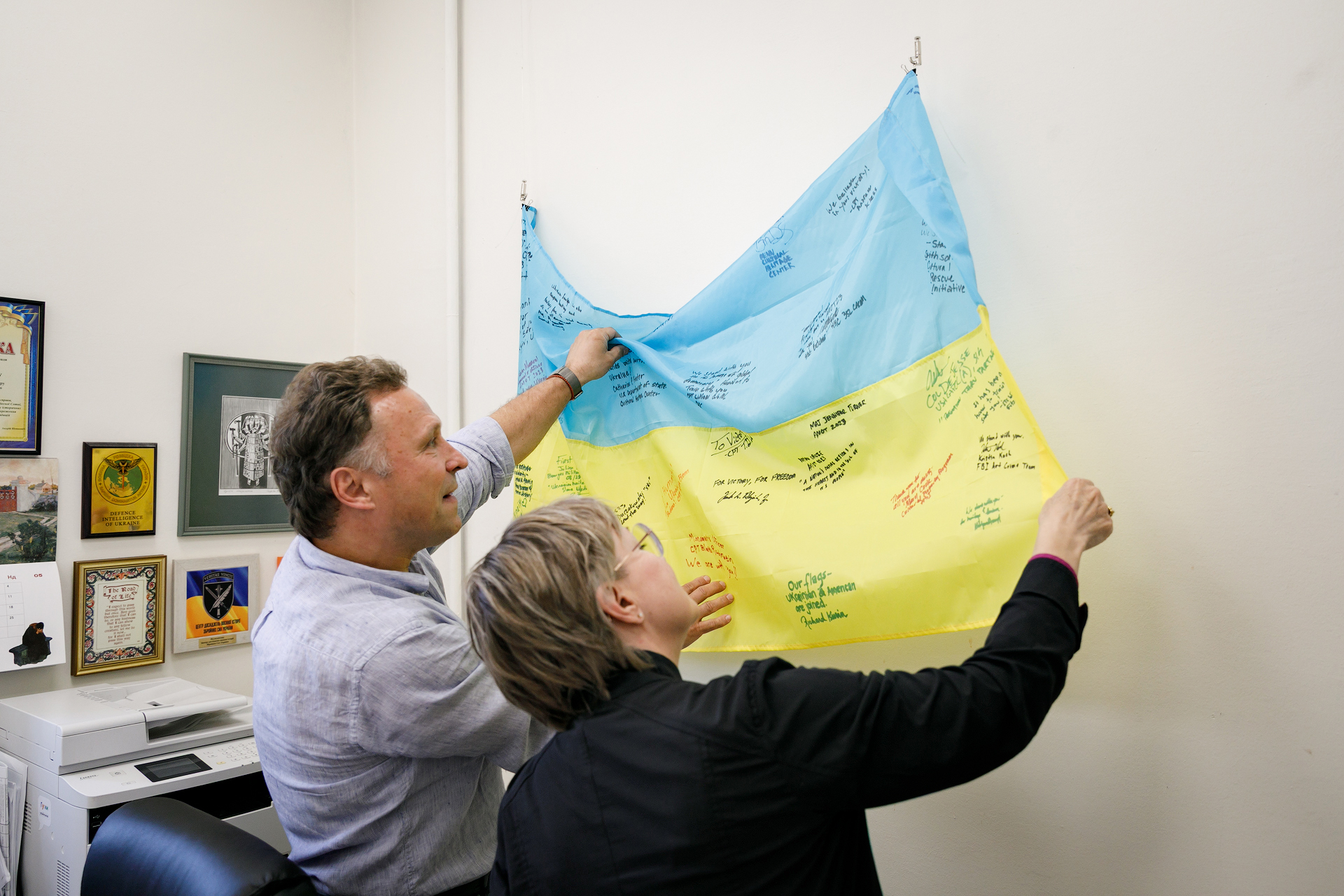
  • Cooperation with CPP (Cultural Property Protection) units from France, the United States, and Ukraine.
Digitalization and Innovation
 
 
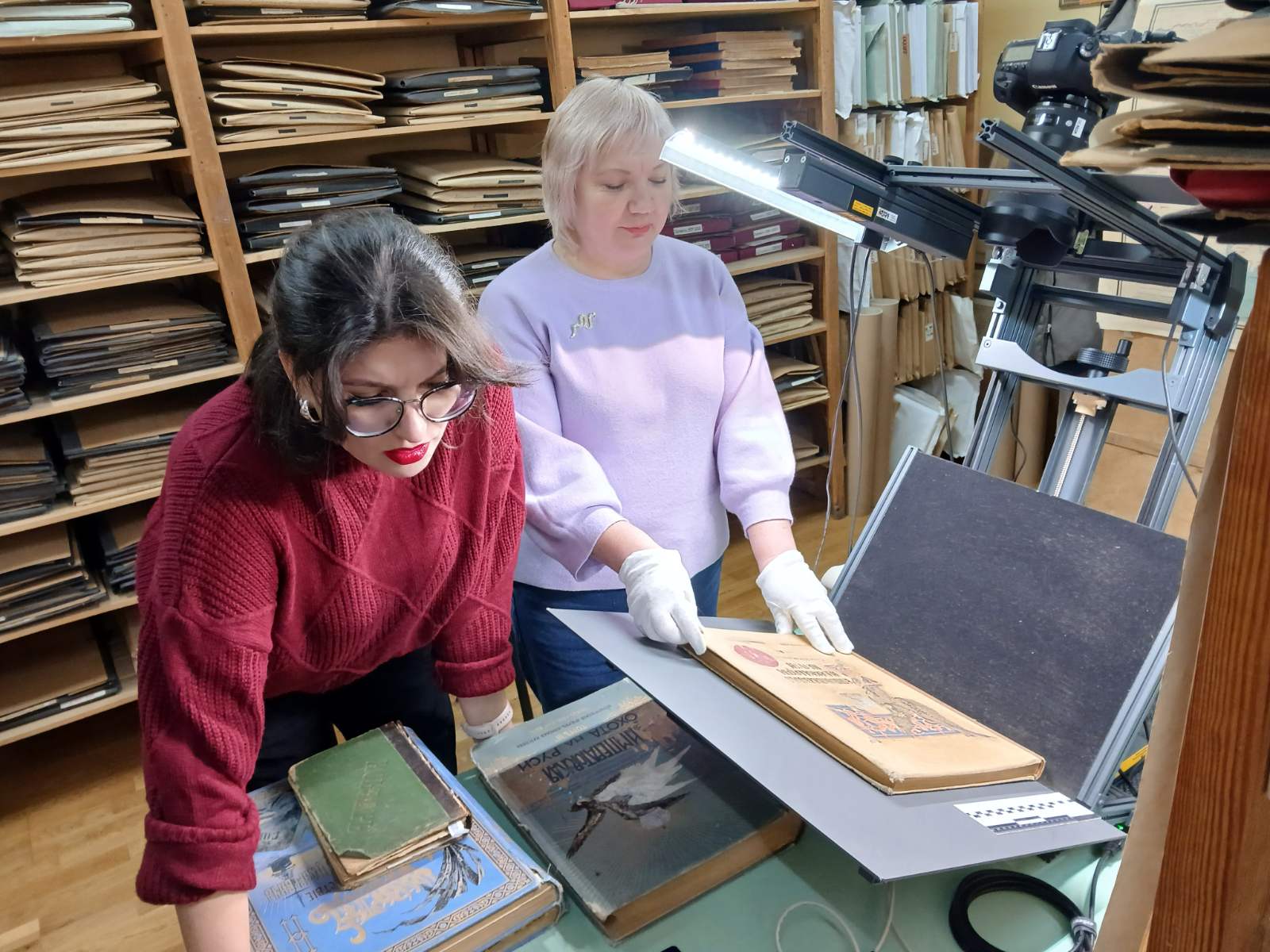
Through the Mobile Digital LAB initiative, ACURE expanded access to professional digitization tools and expertise. In 2025:
  • additional high-grade scanning equipment (A4, A3, and A0 formats) was acquired;
  • collections in 14 museums across Ukraine were digitized;
  • 40 museum professionals received hands-on training with professional equipment;
  • shared-use and rental mechanisms for digital equipment were introduced.
These efforts significantly enhanced access to collections, research opportunities, and long-term preservation.
“Thanks to professional equipment and the coordinated work of the team, we achieved what once seemed unattainable. Dozens of unique artifacts gained their ‘digital life,’ opening new opportunities for virtual exhibitions, research, and promoting Kamianske’s culture far beyond the city.”
Natalia Bulanova, Director, Kamianske City History Museum
“Users repeatedly asked us to digitize the collection to make it accessible for researchers. That is how the idea of an online digital gallery emerged – serving both preservation and access.”
Sviatoslav Chyruk, Deputy Director for Research, PhD, Dnipro History Museum
“Our digitization project aims to preserve the heritage of Chernihiv-Sivershchyna, including rare 16th–18th century early printed books and Hetmanate-era documents.”
Maksym Blakytnyi, Acting Director, Vasyl Tarnovskyi Chernihiv Regional History Museum
Logistics and Emergency Infrastructure
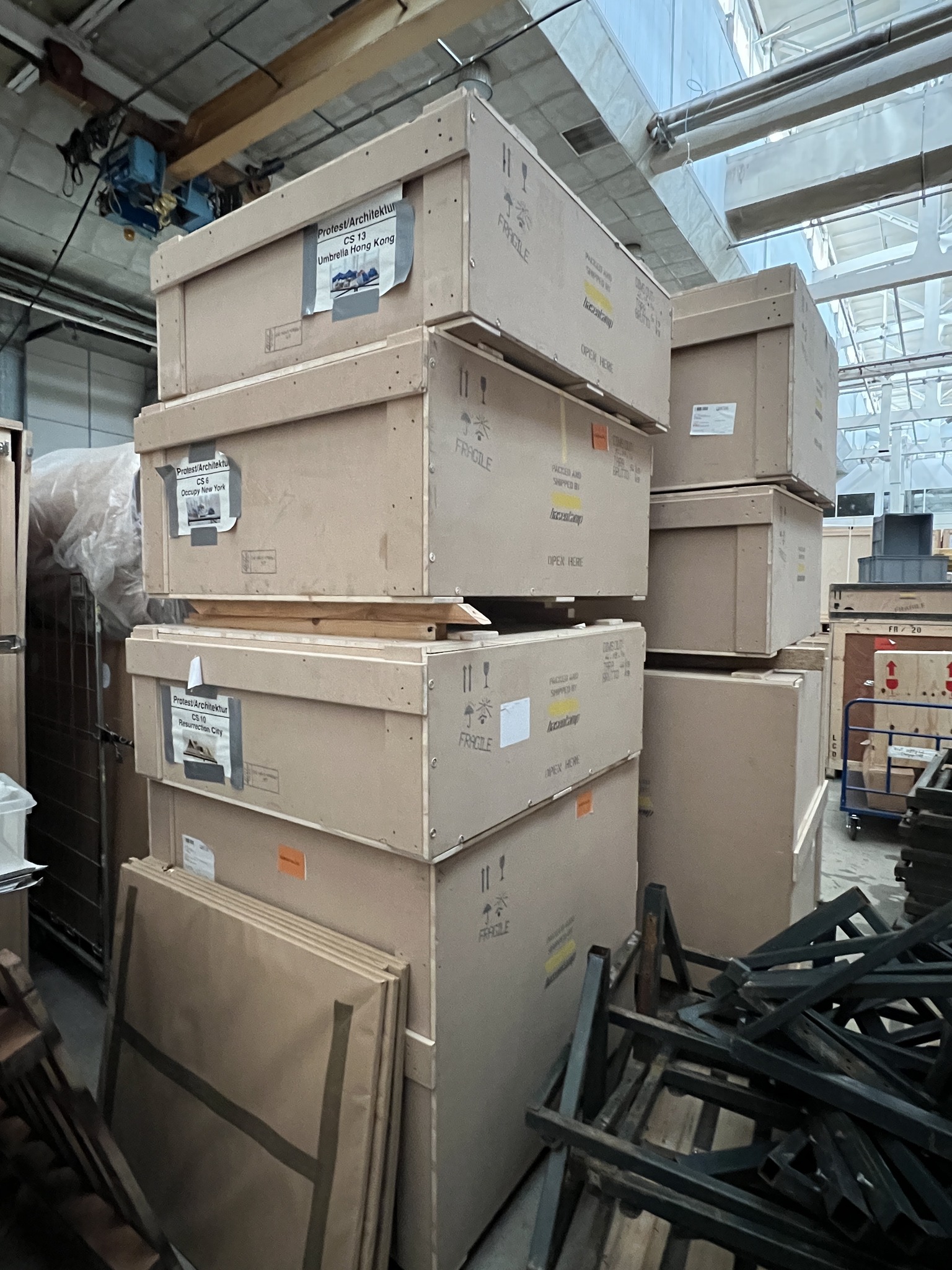
ACURE ensured the continuous operation of an emergency aid warehouse for storing and distributing materials (Aid Supply Maintenance – ASMA project, supported by CER). In cooperation with partners (CER, Ukraine Art Centre), we coordinated the transportation, evacuation, and protection of collections and supported cultural institutions across multiple regions of Ukraine.
  Research and Methodology
ACURE experts contributed to the development of international methodological guidelines and tools led by UNESCO and ICCROM, including:
  • UNESCO/ICCROM General Guidelines on Risk Reduction, Emergency Preparedness, and First Aid for World Heritage Properties and Sites on the Tentative List in Ukraine.
  • GIS-based risk map for Ukrainian cultural heritage.
  • VR training modules for damage assessment.
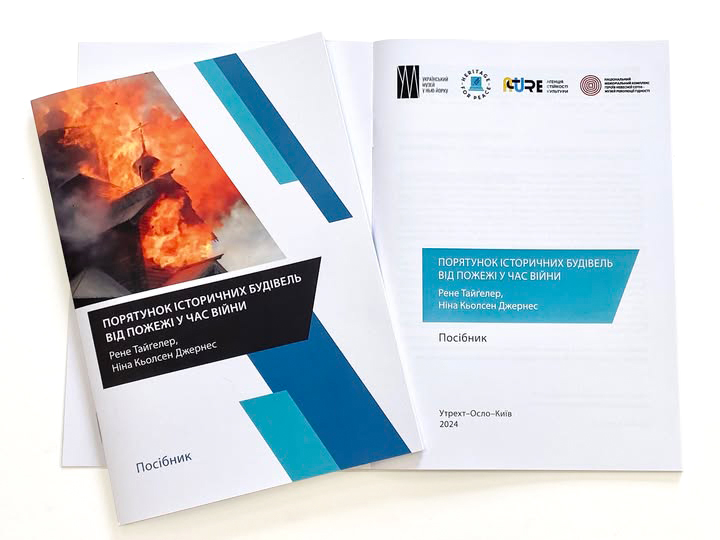
Specialized manuals on rescuing historic buildings and emergency response were published, including Saving Historic Buildings from Fire in Wartime (with support from Heritage for Peace, the Norwegian Institute for Cultural Heritage Research, The Ukrainian Museum in New York.
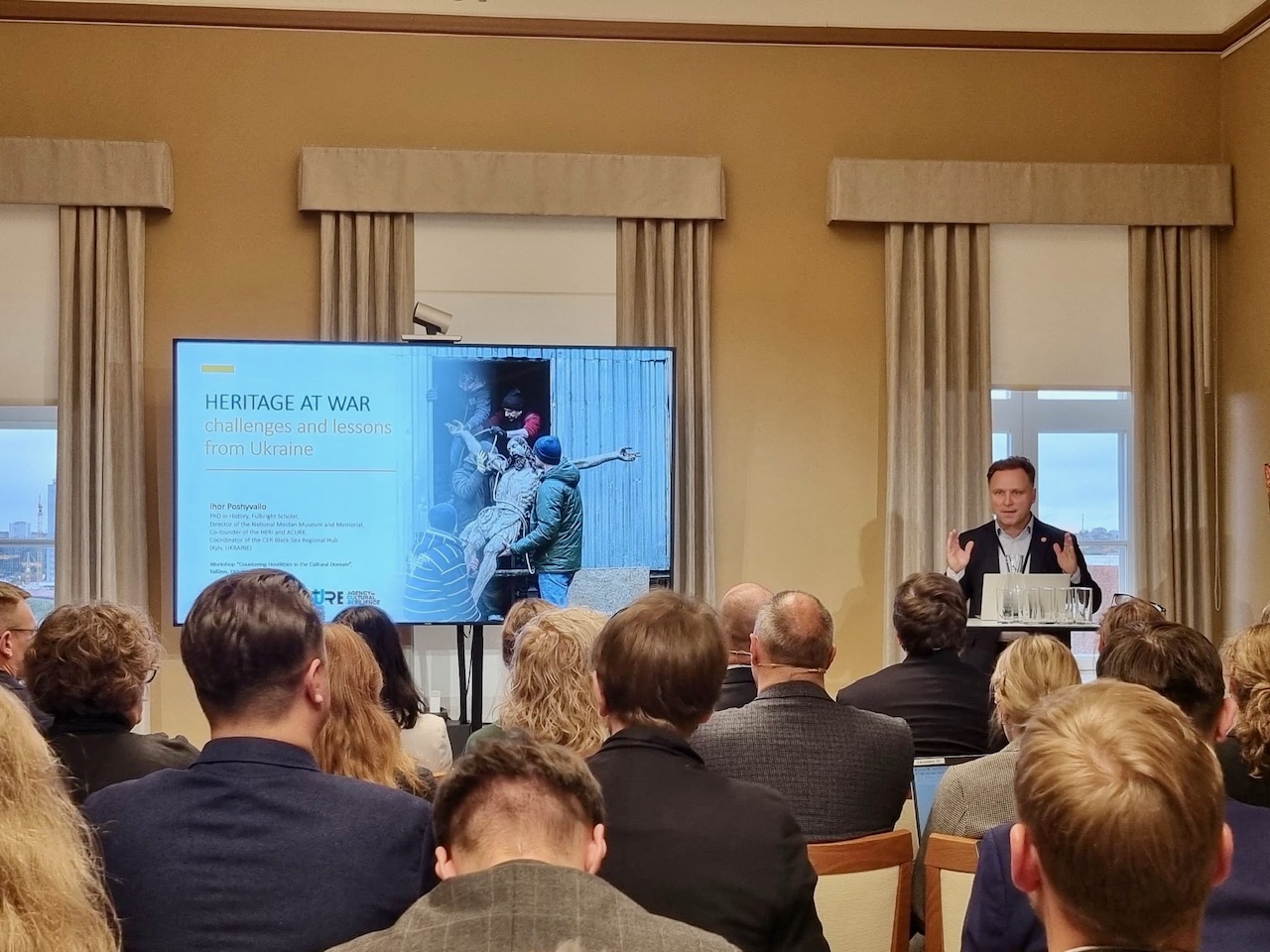
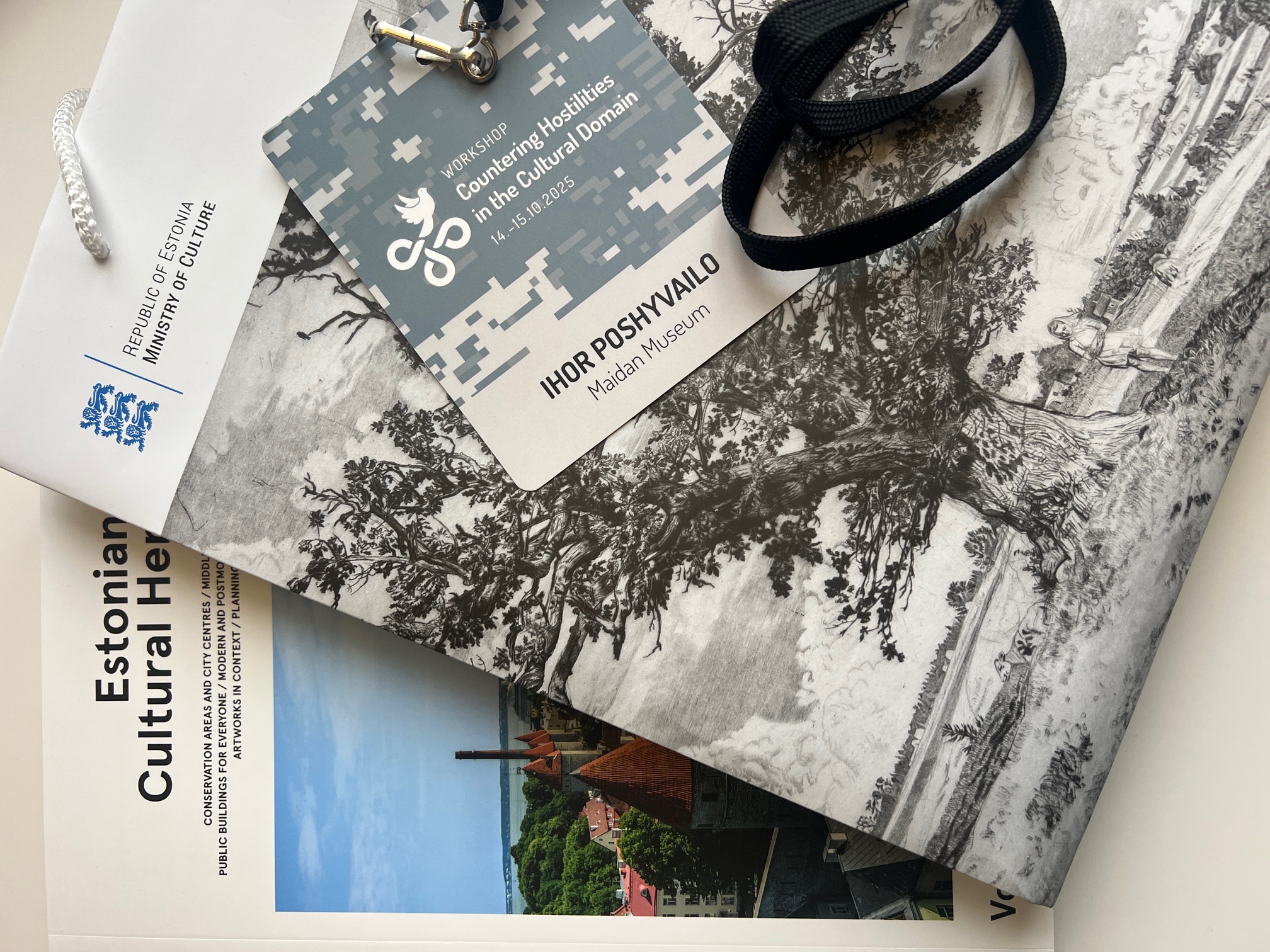
  • ACURE experts participated in international conferences and exhibitions in Ukraine and abroad (Estonia, Australia, France, Norway, Italy, Poland, Lithuania).
  • A roundtable with UNESCO, Ukrainian, and Japanese experts on stabilizing damaged wooden architecture was co-organized.
Cultural Diplomacy
ACURE participated in:
  • the Paris Defence and Strategy Forum (France);
  • an expert seminar on establishing a Ukrainian Cultural Heritage Fund (Florence, Italy);
  • the European Museum of the Year Award 2025conference and ceremony (Białystok, Poland);
  • the World Archaeological Congress (Darwin, Australia).
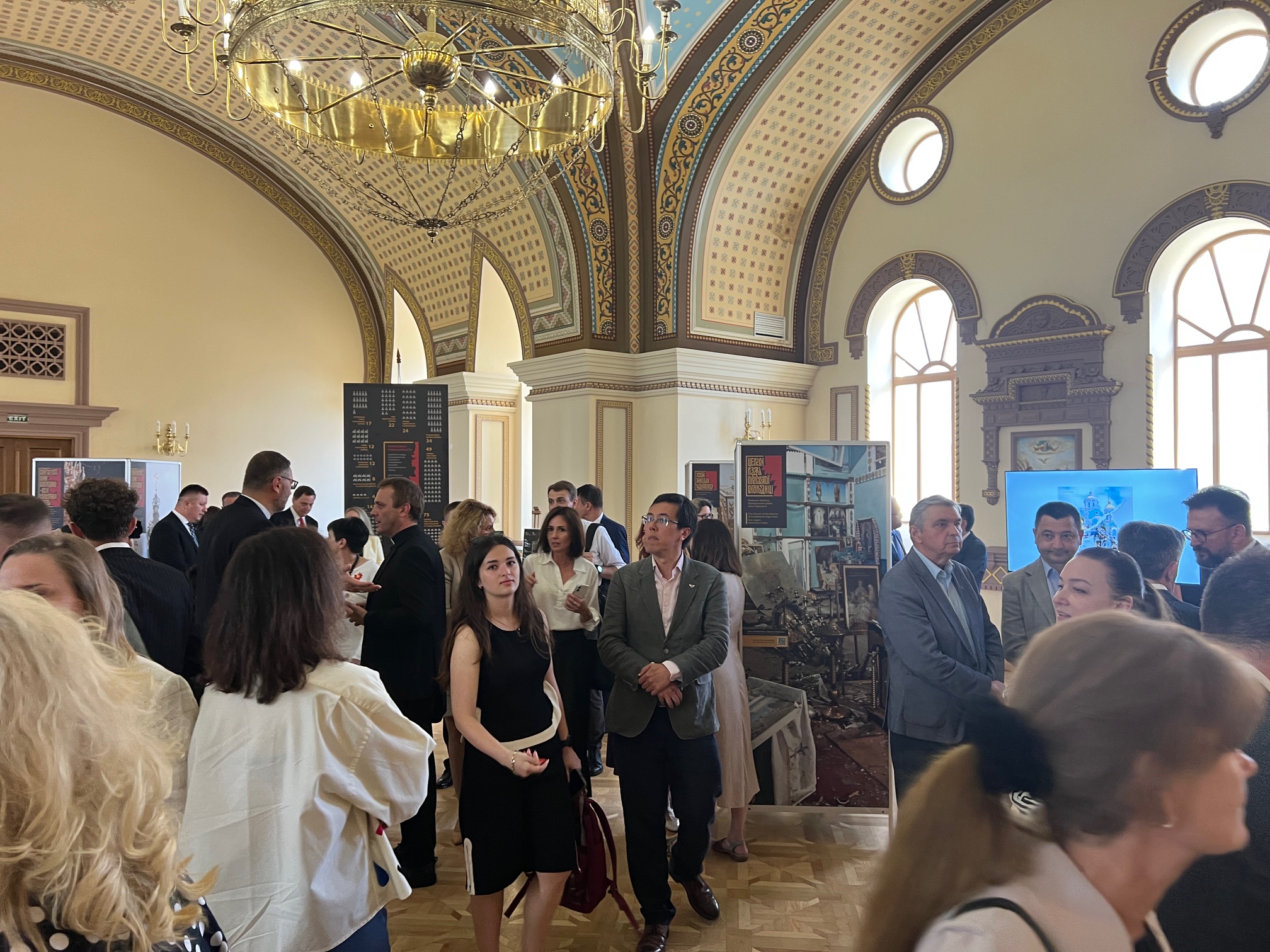
A traveling exhibition “Destroyed Churches of Ukraine”was organized in Canada (with the Canadian Institute of Ukrainian Studies and the Madan Museum).
 
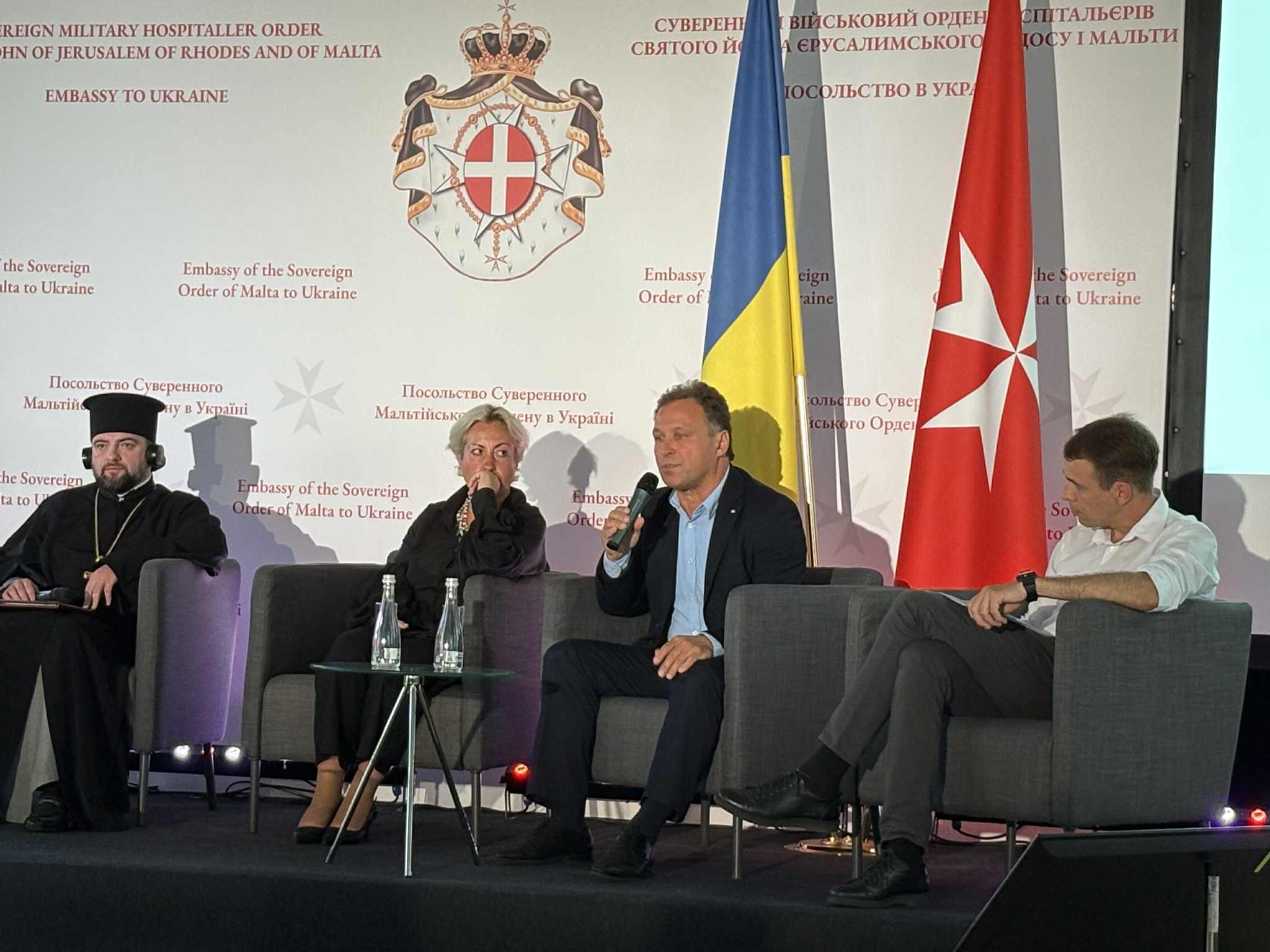
The exhibition “…But They Will Be Reborn in Glory and Strength” was presented during the international conference Aspects of Humanitarian Diplomacy in the Context of War at the Diplomatic Academy of Ukraine.
 
Meetings between Ukrainian cultural sector representatives and Blue Shield International leadership were organized.
LOOKING AHEAD
 
Our priorities for the coming period include:
  • expanding emergency response networks and regional teams;
  • developing the Kyiv-based Black Sea Heritage Hub as a logistics depot, training center, and mobile “cultural ambulance”;
  • creating a new outdoor exhibition space in Kyiv within the European Heritage Hub framework;
  • strengthening training programs, mobile teams, and international partnerships;
  • deepening digital transformation and systematic documentation of cultural heritage losses.
KEY PARTNERS IN 2025
UNESCO, U.S. Ambassadors Fund, U.S. Department of State, Cultural Emergency Response (CER), Mondriaan Fonds, ALIPH Foundation, National Archive of the Netherlands, ICCROM, Cultural Heritage without Borders, Swedish Institute, The Ukrainian Museum, Black Sea Regional Hub, National Museum of the Revolution of Dignity (Maidan Museum), Ukraine Art Centre, Cultural Heritage Protection Units of the Armed Forces of Ukraine and Territorial Defense Forces, along with many other international and Ukrainian partners.
 

You may also like:

2026-03-27

АНОНС ДЛЯ ЗМІ

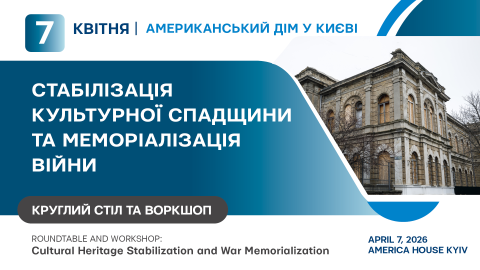
Roundtable and Workshop: Cultural Heritage Stabilization and War Memorialization

АНОНС ДЛЯ ЗМІ

NGO Agency for Cultural Resilience (ACURE) 2025

2025-06-23

Сhurch

ЗМІ

Russian Shelling Damages Spaso-Preobrazhensky Cathedral in Bila Tserkva

How Can We Help You?

Send us your question by filling out this form (all fields are required)